MiniMax Music 3: The Open-Weights Model Bringing 5-Minute AI Songs to Local Hardware
With a hybrid Qwen3-8B architecture, native ComfyUI support, and full song coherence up to 5 minutes, MiniMax’s new open-weights release challenges closed music generators like Suno and Udio.
For the last year, high-fidelity AI music generation has been firmly locked behind the paywalls of closed-source giants like Suno and Udio. While local image and text models advanced at a blistering pace, local audio generation was largely stuck producing short, incoherent loops or ambient soundscapes.
With the release of MiniMaxAI/MiniMax-Music3, the landscape of AI audio has been permanently disrupted. MiniMax has dropped an open-weights model capable of generating full, structurally coherent 5-minute songs in high-fidelity 32 kHz stereo—and it fits on a single high-end consumer GPU.
Full Songs, Not Just Loops
The biggest hurdle in AI music has always been long-range coherence. Early models would forget the melody halfway through or randomly switch genres. MiniMax Music 3 solves this by natively understanding song blueprints.
By inputting lyrics with section tags like [Intro], [Verse], [Chorus], [Bridge], and [Outro], the model doesn’t just guess what comes next; it meticulously plots the emotional arc of the track. You aren’t just typing words; you are directing an autonomous digital band.
The Hybrid Architecture
How does an open model pull off this level of structural integrity? MiniMax Music 3 relies on a brilliant hybrid architecture:
- The Global LLM (8B): Initialized from the powerful Qwen architecture, this language model handles the high-level semantic and structural progression of the track. It acts as the composer, ensuring the verse flows naturally into the chorus.
- The Local LLM (0.6B): This smaller model operates at the frame level, filling in the fine-grained acoustic details and ensuring instruments and vocals sound natural.
- Flow Matching & Flow-VAE: Instead of decoding straight from tokens, the model uses a continuous synthesis stack to render the combined hidden states into a crisp 16-bit, 32 kHz stereo WAV.
Unprecedented Granular Control
Unlike closed platforms that rely on a single vague text prompt, MiniMax Music 3 utilizes a “Structured Caption” format.
Creators can dictate global metadata (genre, exact BPM, key, emotional arc), highly specific vocal characteristics (gender, timbre, harmonies, backing layers), and arrangement details (how instruments evolve section by section, groove, bass, spatial fx). It fundamentally shifts the user from “prompt slot machine” to actual audio producer.
Running it Locally
Perhaps the most impressive feat of MiniMax Music 3 is its accessibility. At full precision, the model fits comfortably under 24GB of VRAM, making it fully deployable on hardware like the RTX 4090 or RTX 6000.
Here is how you can spin it up today:
- ComfyUI: The absolute lowest-friction path. Update to ComfyUI 0.33.0+, head to the Template Library, and load the official MiniMax Music 3 workflow. Drop in your lyrics, tweak your structured caption, and hit run.
- Diffusers Modular Pipeline: For programmatic Python control, the safetensors are fully compatible with Hugging Face
diffusers. - SGLang-Omni: For developers looking to serve the model at scale, inference can be split across multiple GPUs (e.g., Qwen on GPU 0, decoding on GPU 1).
The era of paying subscriptions just to generate a cohesive verse-chorus-verse structure is over. The open-source community finally has its flagship music model, and it’s time to start rendering.
Ready to try it?
We may earn a commission — at no extra cost to you. Supports our independent testing.
Visit official site →Related articles
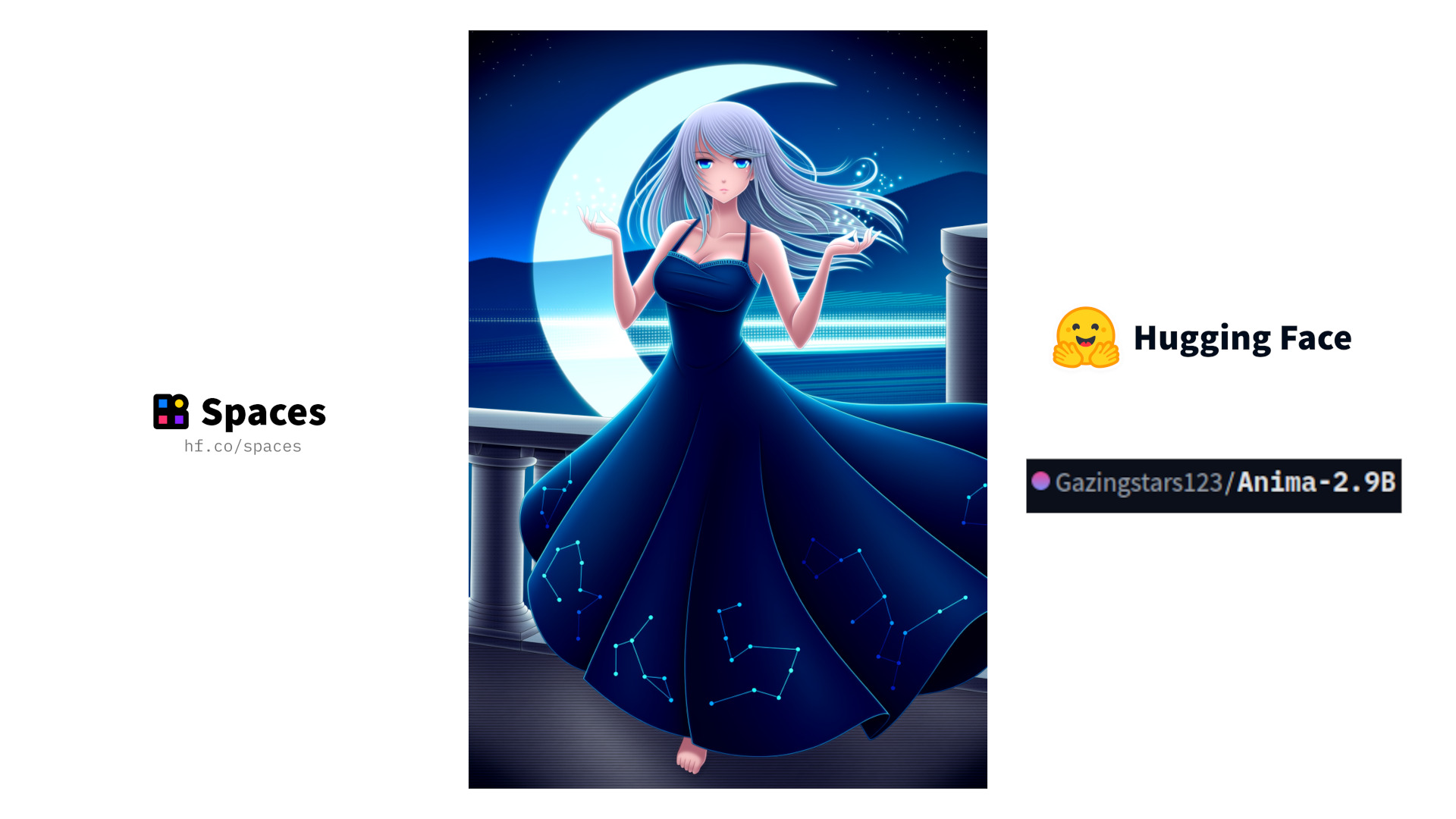
Anima-2.9B: A 2.9B-Parameter Image Model Built for Anime and Illustration
Gazingstars123’s Anima-2.9B expands the original Anima architecture to roughly 2.9 billion parameters, targeting anime, illustration, and non-photorealistic image generation with newer training data, stronger prompt understanding, and support for ComfyUI and Forge-Neo.
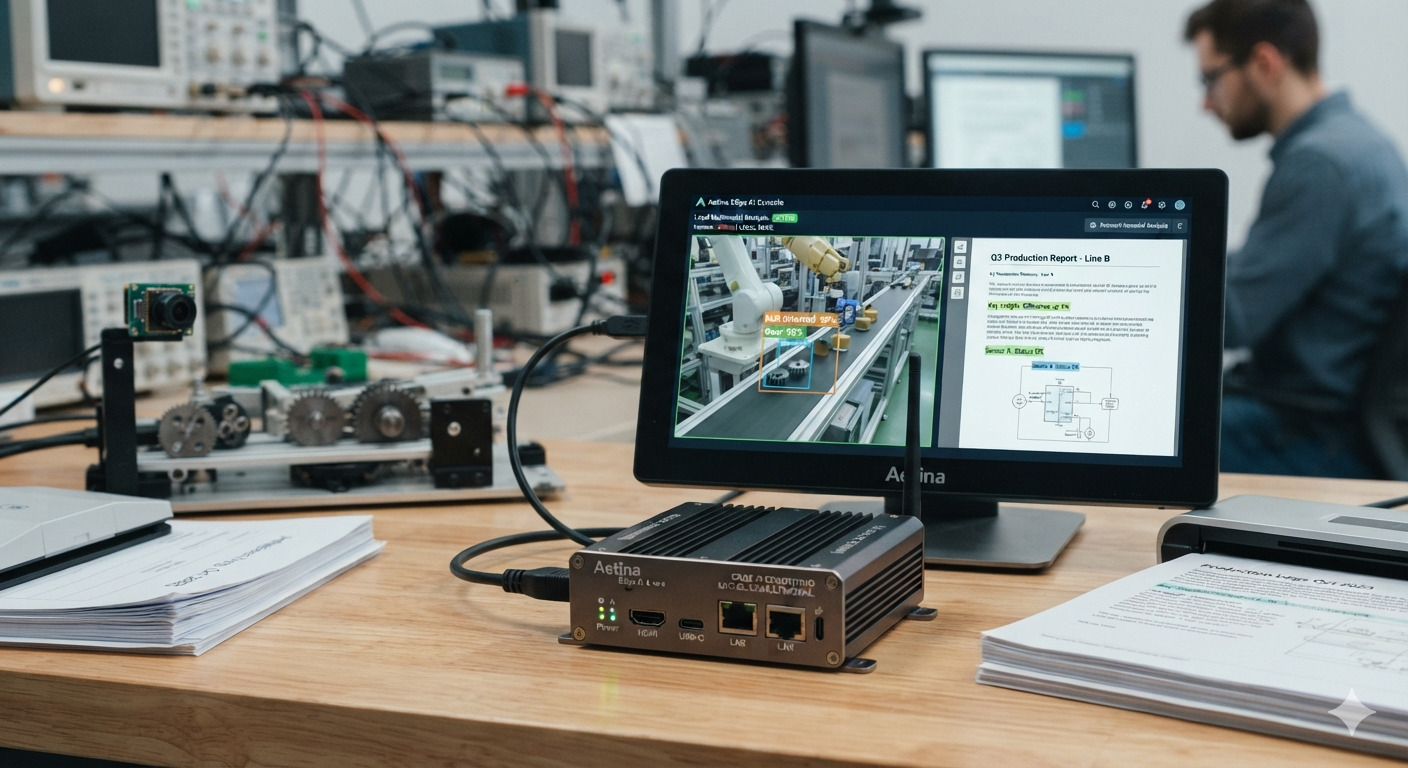
MiniMax H3 Is Bringing Native Audio to Open Video Generation
MiniMax H3 is a 33B-parameter omni-modal video model that understands text, images, video, and audio together while generating synchronized stereo video up to 2K resolution and 15 seconds long.

Best AI Video Generators in 2026, Compared Side by Side
We generated 300 clips across Sora, Veo 3.1, Runway Gen-4, and Kling with identical prompts. The results split into clear camps — here is the best AI video generator for each use case.