Best AI Image Generators in 2026
Midjourney v7, Ideogram 3, Flux 2, and ChatGPT images go head to head across typography, photorealism, and control. We rendered 500 prompts to find the best AI image generator for each job.
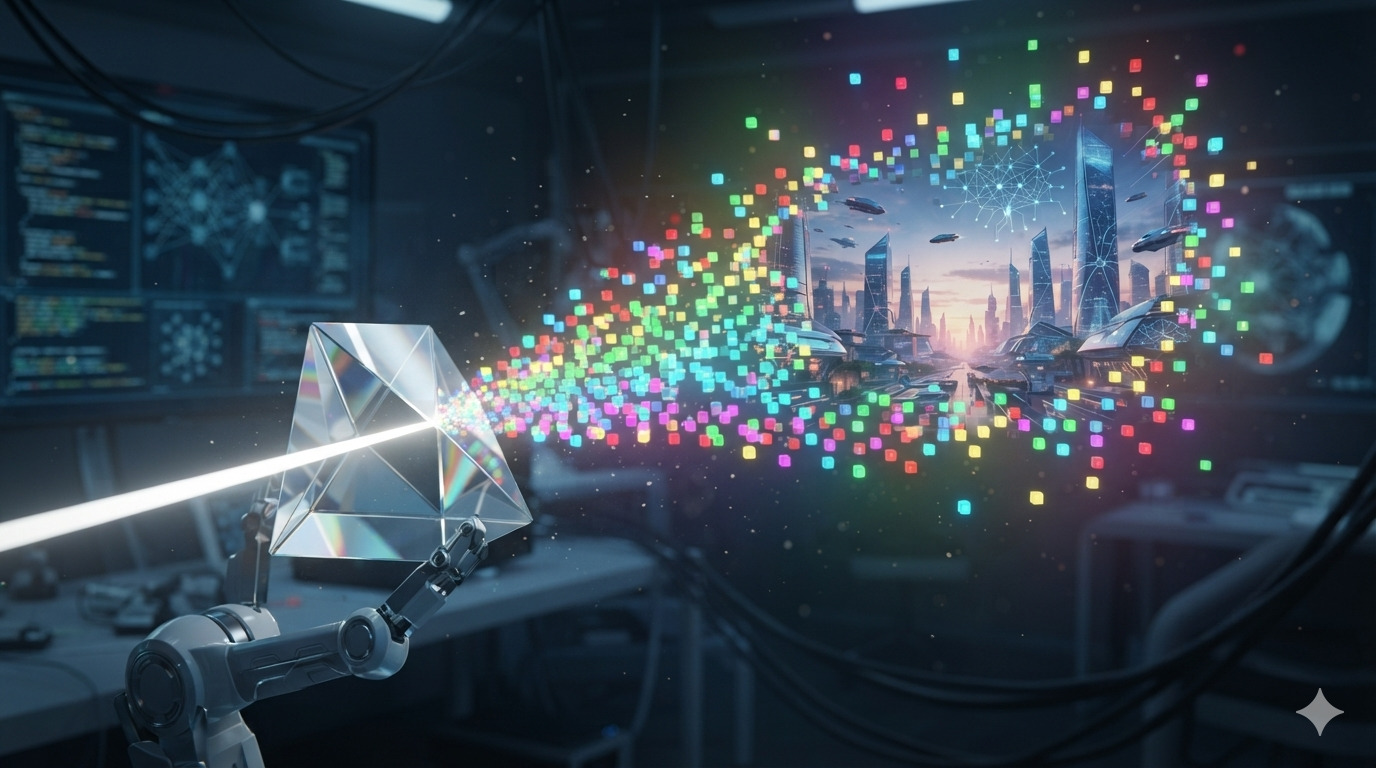
Every image generator now produces a convincing photo of a cat. The battle in 2026 is fought on harder ground: text rendering, character consistency, and precise layout control. We pushed 500 identical prompts through Midjourney v7, Ideogram 3, Flux 2, and ChatGPT’s image model, then had three designers score the results blind.
Quick picks
- Midjourney v7 — best overall aesthetic, now with usable consistency controls
- Ideogram 3 — best for anything containing readable text
- Flux 2 — best open-weight option and the tinkerer’s favorite
- ChatGPT images — best for convenience and conversational iteration
Midjourney: still the aesthetic benchmark
Midjourney v7 kept the taste that made it famous and fixed the two complaints that dated it: hands are no longer a coin flip, and the new reference system lets you lock a character’s face, a product’s shape, or a palette across a whole campaign. Our designers picked its outputs as “most portfolio-ready” in 61% of comparisons.
The interface remains its weakest link — a web editor that a Figma intern would ship better — but the model underneath is worth the clumsy clicks.
Ideogram: text that actually renders
If your brief contains the words poster, logo, thumbnail, or merch, stop reading and buy Ideogram. It rendered our stress-test strings — small serif captions, multi-word storefront signs, even a paragraph inside a book mockup — correctly on the first attempt more often than every rival combined.
We have stopped writing “typography” workarounds into prompts. Ideogram simply read the brief.
Flux: the open-weight champion
Flux 2’s open weights mean you can run it on your own GPU, fine-tune it on your brand, and never worry about a content filter disagreeing with a legitimate medical illustration. Out of the box it sits a visible notch below Midjourney on taste, but ControlNet-style conditioning gives it the edge for exact composition — wireframes to renders, sketches to finals.
For studios with an engineer on staff, Flux plus a LoRA of your own work is quietly becoming the professional pipeline.
ChatGPT images: the convenience king
ChatGPT’s image model is not the best at any single category, and it is second-place in most of them. What it is, is conversational. “Make the poster, but dusk, and the dog looks more guilty” works astonishingly well, and for internal mockups, moodboards, and one-off social graphics it collapses the whole workflow into a chat window.
Prompting tips that actually matter
- Lead with the subject, not the style. “A weathered fisherman mending nets” beats “cinematic photo of a man.”
- Name a lens, not a mood. “85mm, f/1.8” moves the model more than “dreamy” does.
- Iterate in pairs. Generate two, keep the better one, describe the difference you want. Three rounds of this beats one long prompt.
- Keep a personal prompt library. The prompt that nails your brand once is worth more than any model upgrade.
(Pro tip: use a tool like PromptHero or Lexica to discover and save effective prompts.)
The gap between these tools shrinks every quarter, but the specializations are sharpening. Choose by the job, not the hype.
For more comparisons, check out our full AI image generator benchmark and prompt engineering guide.
Related articles
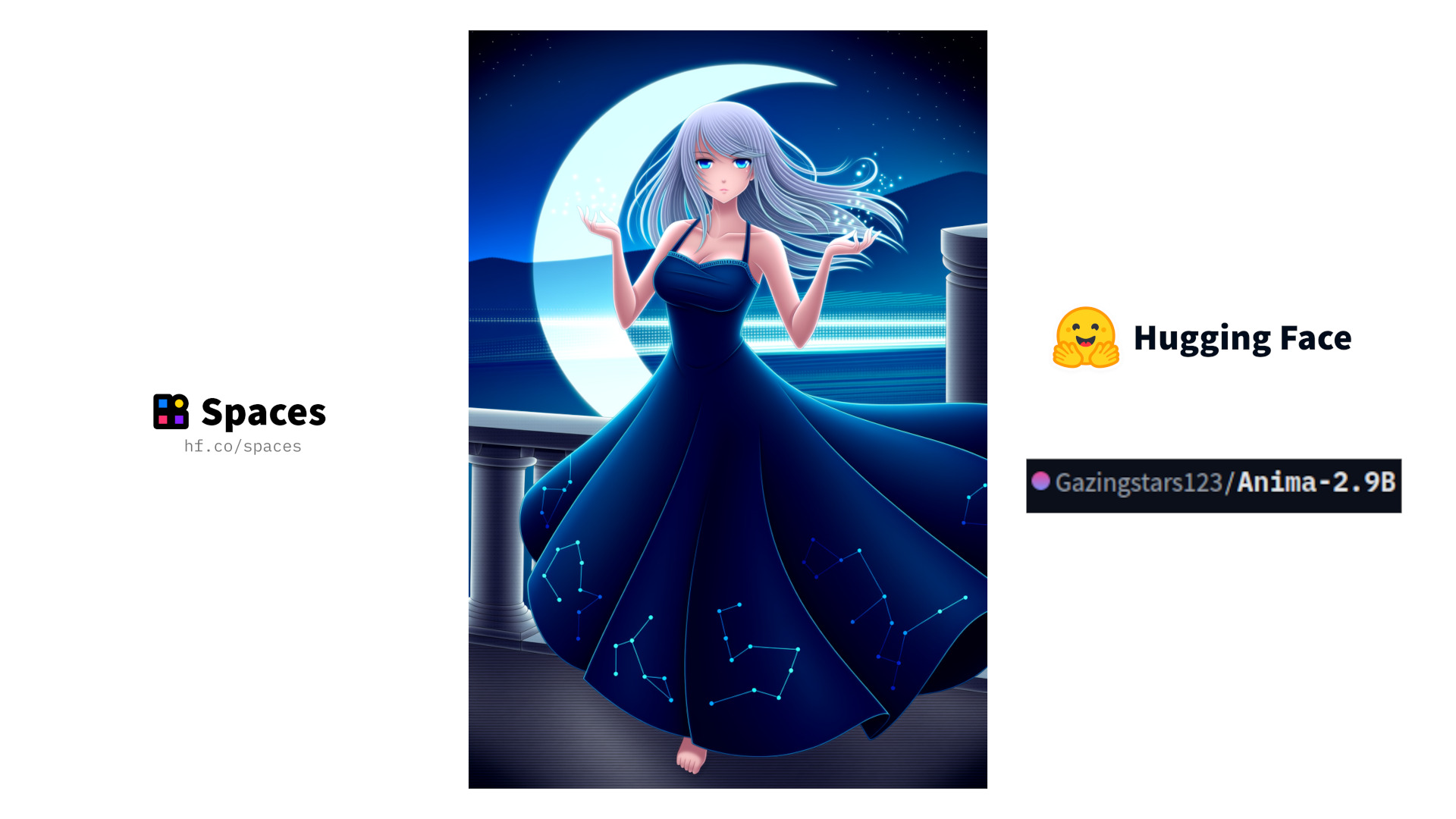
Anima-2.9B: A 2.9B-Parameter Image Model Built for Anime and Illustration
Gazingstars123’s Anima-2.9B expands the original Anima architecture to roughly 2.9 billion parameters, targeting anime, illustration, and non-photorealistic image generation with newer training data, stronger prompt understanding, and support for ComfyUI and Forge-Neo.
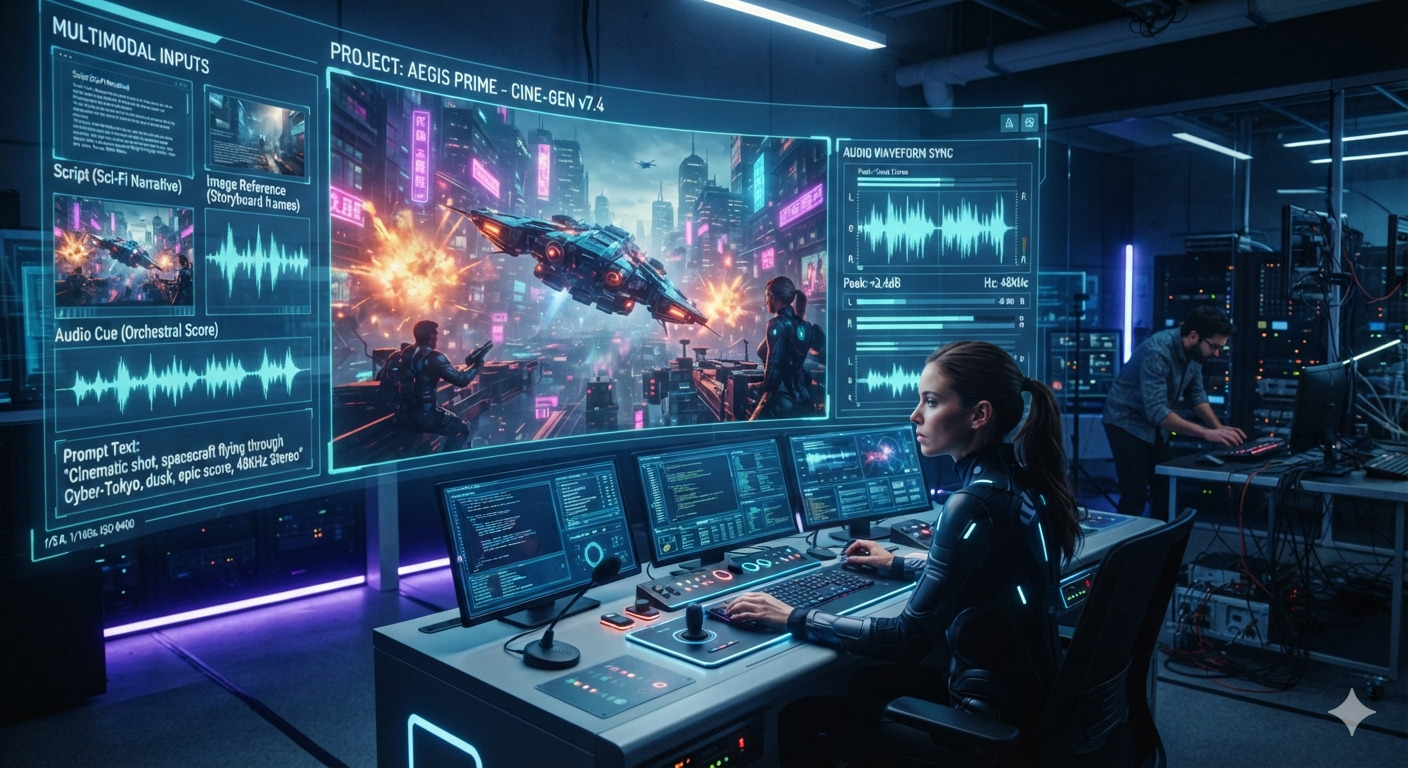
MiniMax Music 3: The Open-Weights Model Bringing 5-Minute AI Songs to Local Hardware
With a hybrid Qwen3-8B architecture, native ComfyUI support, and full song coherence up to 5 minutes, MiniMax’s new open-weights release challenges closed music generators like Suno and Udio.
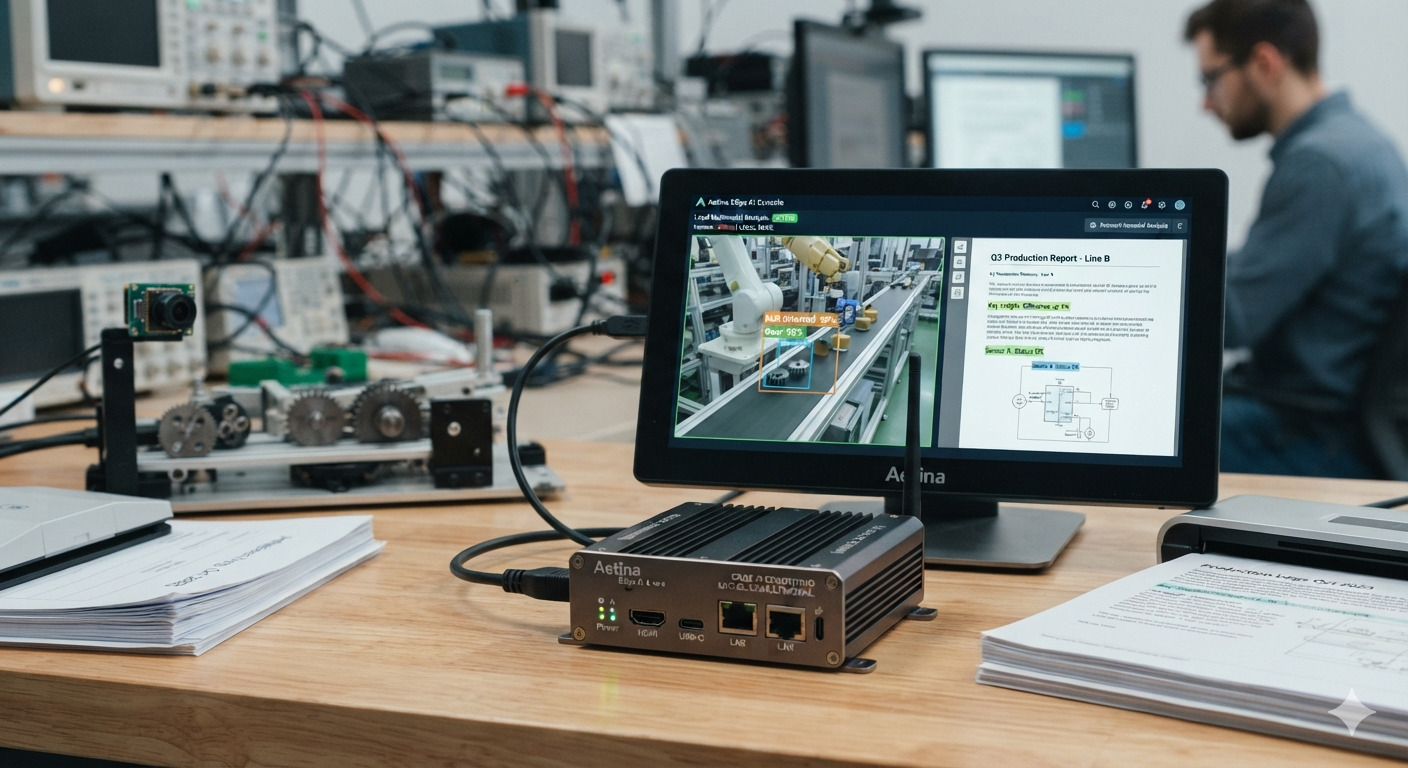
MiniMax H3 Is Bringing Native Audio to Open Video Generation
MiniMax H3 is a 33B-parameter omni-modal video model that understands text, images, video, and audio together while generating synchronized stereo video up to 2K resolution and 15 seconds long.